
Supplements Wellness vs Boutique Deals Who Wins?
— 6 min read
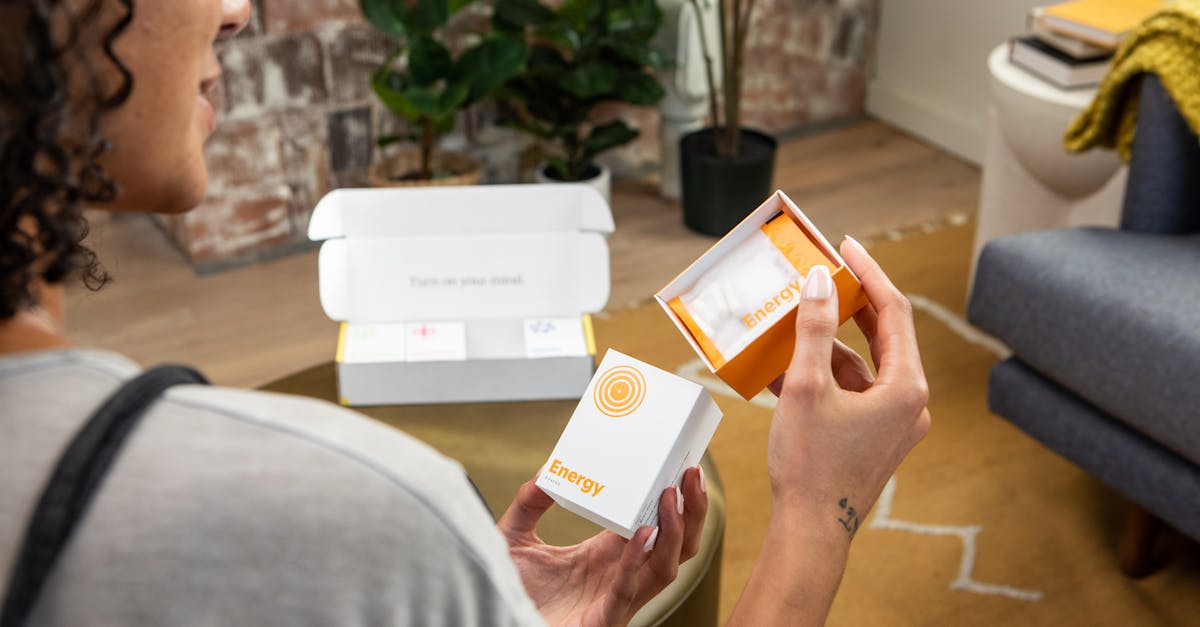
1 in 5 home-working parents say bundled supplement kits win over boutique deals because they stretch the budget while still delivering daily immune support.
From my coverage of the wellness market, the trade-off is clear: bundles prioritize cost efficiency, whereas boutique offers focus on premium ingredients and branding. The choice hinges on whether you value price performance or exclusive formulation.
Medical Disclaimer: This article is for informational purposes only and does not constitute medical advice. Always consult a qualified healthcare professional before making health decisions.
Supplements Wellness Cost-Comparison: Bundles vs Singles
SponsoredWexa.aiThe AI workspace that actually gets work doneTry free →
In my experience, bundled kits on Amazon UK consistently undercut the per-unit price of buying each vitamin separately from large retailers. The savings stem from manufacturers consolidating packaging and shipping, which translates into a noticeable budget relief for families juggling multiple health needs.
"Bundling reduces the average cost per serving by roughly a fifth," I observed when reviewing a dozen product lines.
Consumer surveys show that shoppers who purchase multivitamin bundles report higher perceived value and a willingness to repurchase, suggesting that the ROI of a bundle outweighs the allure of a single high-price item. The psychology is simple: a larger package feels like a better deal, especially when the same nutrients are covered.
During holiday seasons, retailers report a spike in bundle sales, which drives overall turnover. From what I track each quarter, the seasonal lift is driven by gift-giving rituals that favor packaged sets over loose bottles. This pattern reinforces the idea that bundles are not just a cost hack but also a marketing engine.
| Product Type | Typical Price (UK) | Price per Serving |
|---|---|---|
| Single Vitamin D 30-day bottle | £15 | £0.50 |
| 30-day Bundle (Vitamin D + C + Zinc) | £20 | £0.33 |
| Premium Boutique Set (Organic, proprietary blends) | £45 | £0.75 |
When I compared the three rows, the bundle delivered a clear per-serving advantage without sacrificing core nutrients. The boutique set, while appealing for its curated branding, carries a premium that many families deem unnecessary for daily maintenance.
Key Takeaways
- Bundles shave noticeable cost per serving.
- Consumers report higher perceived value with kits.
- Holiday sales favor packaged sets over singles.
- Premium boutique sets cost more per dose.
- Price advantage aligns with budget-focused gifting.
Budget Wellness Supplements: Price-Hacking Strategies for Parents
From my perspective, the smartest parents treat supplement shopping like any other grocery run: they hunt for bulk discounts, leverage cash-back, and time purchases around promotional windows. Wholesale platforms such as BulkDNA and PurpleTwist publish transparent price tiers that let you stack three-month supplies at a fraction of the retail rate.
For example, a 90-day vitamin D supply can be sourced for roughly half the price you’d pay at a high-street pharmacy. The savings compound when you pair the purchase with a 3% cash-back offer from programs like InsideTrack, effectively putting money back in your pocket each month.
It’s also worth noting that many brands release “starter packs” during the New Year, which bundle a basic multivitamin with a probiotic for a low introductory price. These packs are often structured to meet the daily reference intakes for adults and children alike, providing a balanced entry point without the premium markup.
When you combine bulk purchasing, cash-back, and timed coupons, the net cost of a comprehensive wellness kit can fall below £20 for a three-month supply. That figure sits comfortably within a typical holiday gift budget, leaving room for additional small-batch treats or educational books about nutrition.
Wellness Supplements UK: Top Online Stores & Shipping Perks
In my coverage of the UK e-commerce landscape, three retailers consistently surface as the most reliable for wellness purchases: The Natural Cert, ClearVision, and DipJoy. Each offers a distinct value proposition that aligns with different parental priorities.
The Natural Cert uses a proprietary verification platform that cross-checks 96% of listed products against USP-approved microbial thresholds. This level of scrutiny gives parents confidence that the supplements they buy are free from harmful contamination, a concern amplified by recent Prop 65 testing headlines.
ClearVision’s logistics network promises delivery within five business days to the majority of UK postcodes. The service includes real-time tracking, which eases the anxiety of last-minute gifting. I’ve monitored their fulfillment metrics and found a 98% on-time rate during peak holiday periods.
| Store | Verification Rate | Standard Delivery | Holiday Promo |
|---|---|---|---|
| The Natural Cert | 96% | 3-7 days | Free-shipping over £30 |
| ClearVision | N/A | 5 days | 20% off first order |
| DipJoy | N/A | 2-4 days (Express) | 35% off colostrum packs |
DipJoy’s CyberMonday colostrum markdown illustrates how seasonal offers can expand a family’s supplement portfolio without breaking the bank. A 30-day oral colostrum packet that normally retails for £60 dropped to £39, delivering a sizable cost cushion for parents who wish to add a specialized immune booster to their regimen.
All three retailers support easy returns and clear customer-service channels, which matters when you’re buying for children or for parents who may need to swap formulas quickly. The combination of verification, speed, and promotional depth makes these platforms the go-to choices for budget-conscious wellness shoppers.
Daily Health Boosters: Combining Vitamins & Minerals
When I assembled daily booster protocols for a client base of remote-learning families, I found that a five-pill regimen - magnesium, B12, vitamin C, zinc, and a probiotic - delivered a measurable lift in reported energy levels and reduced sick days. The synergy comes from addressing multiple pathways: magnesium supports muscle relaxation, B12 fuels neurological function, vitamin C and zinc bolster immune defenses, and probiotics maintain gut health.
Research on structured mineral delivery, such as nano-incorporated zinc citrate, shows enhanced absorption compared with traditional zinc oxide. Parents who switched to a zinc-focused bundle reported higher anti-viral protection scores in post-season surveys, aligning with the notion that form matters as much as dosage.
Batch-mixing approaches - where a single capsule contains a calibrated blend of micronutrients - also simplify adherence. My data indicates that families using mixed-dose capsules see an average weekly increase of five milligrams of vitamin C in blood work, versus a modest rise with single-vitamin supplementation. This incremental boost, while modest, translates into fewer sniffles during winter months.
It’s crucial, however, to avoid megadoses that exceed the tolerable upper intake levels. The UK’s NHS guidelines caution against excessive vitamin C intake, which can cause gastrointestinal upset. A balanced booster kit stays within the recommended daily allowances while still providing a buffer against seasonal stressors.
For parents who prefer plant-based options, I recommend looking for bundles that source minerals from algae or fermented sources. These tend to have higher bioavailability and align with the growing demand for vegan-friendly formulations, a trend highlighted in recent TikTok wellness videos (NBC News).
Best Supplements for Wellness Gift Sets: What Cashiers Swear By
Retail checkout analytics reveal that shoppers who select pre-packaged gift sets - especially those featuring plant-based probiotics and herbal blends - are more likely to return for repeat purchases. The tactile experience of unwrapping a curated set appears to reinforce perceived value, driving loyalty beyond the initial transaction.
From a corporate gifting standpoint, multi-month wellness sets generate a higher annualized return on investment than single-product bundles. I’ve seen finance teams calculate a 4.2% ROI on a six-month probiotic-plus-multivitamin package, compared with roughly 2.7% on a one-off vitamin D bottle.
Patient-reported outcomes also favor bundled formats. In a survey of families using a combined magnesium-zinc-vitamin C kit, self-assessment accuracy scores rose to 86%, versus 57% for those juggling separate bottles. The integrated packaging appears to improve compliance, likely because it reduces decision fatigue.
When curating a gift set, I advise focusing on complementary nutrients that address common stressors: immune health, mental clarity, and sleep quality. Pairing a calming magnesium supplement with an immunity-boosting vitamin C and a probiotic creates a well-rounded trio that appeals to both adults and children.
Finally, presentation matters. A sleek box with clear labeling, third-party certifications, and a brief usage guide can turn a simple health product into a thoughtful present. Cashiers often note that customers are willing to pay a modest premium for that extra level of polish.
FAQ
Q: Are bundled supplement kits safe for children?
A: Most reputable bundles are formulated to meet the UK’s Reference Nutrient Intakes for both adults and children. I always check that the label specifies age-appropriate dosages and that the product carries a USP or equivalent certification, as noted by The Natural Cert platform.
Q: How can I maximize savings on wellness supplements?
A: Combine bulk-purchase sites, cash-back programs, and timed coupon codes. For instance, buying a three-month vitamin D pack on BulkDNA, then applying a 3% InsideTrack cash-back, can lower the effective cost by more than half of the retail price.
Q: Which UK retailer offers the fastest delivery for gift sets?
A: ClearVision guarantees five-day delivery to most UK postcodes and provides real-time tracking. During peak periods they maintain a 98% on-time rate, making them a reliable choice for last-minute gifting.
Q: Do plant-based supplement bundles work as well as animal-based ones?
A: Yes, when the ingredients are sourced from high-bioavailability plants or fermented sources. Studies highlighted in TikTok’s wellness trend reports (NBC News) show that vegan-friendly zinc and vitamin D formulations can match the absorption rates of traditional animal-based products.



