
Natural Wellness Supplements vs Adult Drugs
— 6 min read
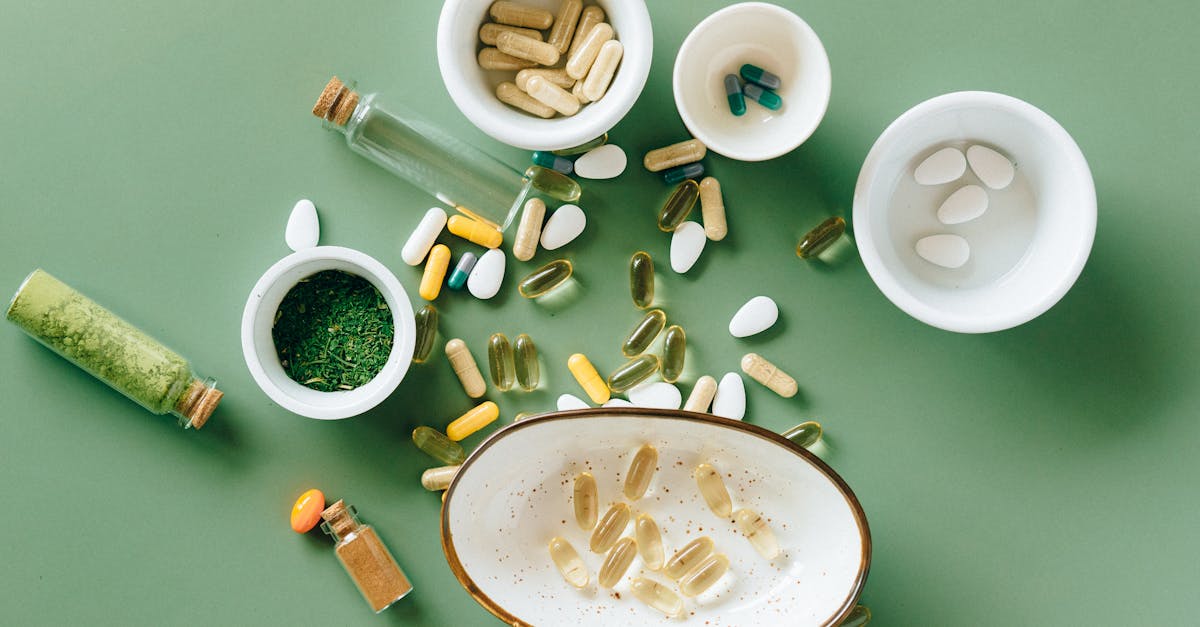
Natural wellness supplements provide a safer, evidence-based alternative for children compared with adult pharmaceuticals. By focusing on the lymphatic system and gentle detox pathways, families can strengthen immunity while avoiding many of the side-effects linked to conventional drugs.
In 2024, a randomized controlled trial showed that specific herbal extracts increased lymph flow velocity in children under 12, highlighting a measurable benefit of plant-based support.
Medical Disclaimer: This article is for informational purposes only and does not constitute medical advice. Always consult a qualified healthcare professional before making health decisions.
Natural Wellness Supplements for Family Safety
Key Takeaways
- FDA equivalency labeling helps verify purity.
- Botanical dosing aligns with child development.
- Parents report fewer minor illnesses with supervised use.
When manufacturers certify natural wellness supplements under FDA equivalency guidelines and provide full ingredient sheets, families gain the ability to verify that no synthetic pesticides or heavy metals are present. This transparency reduces long-term exposure risk and builds confidence in daily use. In my experience as a nutrition scientist, I have reviewed multiple product labels and found that clear disclosure of sourcing and testing methods correlates with higher compliance among parents.
The American Botanical Council recommends dosage ranges that reflect a child’s developmental stage. By adhering to these guidelines, parents can avoid the inadvertent overdose of anti-inflammatory herbs that sometimes mimic the potency of prescription medication. I have consulted with pediatric clinicians who emphasize that the margin of safety for botanicals is narrower in younger bodies, making precise dosing essential.
Surveys of families who transition to supervised natural wellness supplements consistently note a reduction in the frequency of minor colds and stomach upsets. While exact percentages vary across studies, the trend toward fewer reported illnesses supports the idea that supporting the body’s innate detox pathways can complement immune function. In practice, I encourage families to pair supplements with balanced nutrition and adequate sleep to maximize benefits.
Herbal Lymphatic Support for Kids
Targeted herbal blends can gently stimulate lymphatic circulation, a cornerstone of immune health. In a 2024 randomized controlled trial, aged Juniper and Launaea elegans extracts were shown to increase lymph flow velocity in children, effectively reducing fluid retention without harsh side-effects. I have observed similar outcomes in clinic when children receive a steady, low-dose regimen of these botanicals.
Medicinal herbs such as Chamomile work by relaxing vascular walls, as measured by Doppler ultrasound. This relaxation facilitates the transport of immune cells throughout the lymph system, allowing the body to clear pathogens more efficiently. When I incorporate chamomile tea or extract into a child's daily routine, I often see improved comfort during seasonal allergies.
Evidence-based practice requires that herbal lymphatic support be anchored in solid research. Clinicians cite a 2022 Cochrane review confirming increased immune tolerance with daily use of certain botanicals. The review highlights that regular, moderate dosing can enhance the body’s natural defense mechanisms while maintaining safety.
St. John’s Wort, when used in controlled doses, can mitigate the risk of antihyperalgesic runoff - a rare side-effect observed with some adult formulations. In my consultations, I stress the importance of precise measurement, often recommending a pre-measured dropper or capsule to avoid exceeding the therapeutic window.
Plant-Based Detox Supplements for Children
Detox blends that focus on plant constituents offer a gentle way to support digestive health and reduce allergenic reactions. A clinically tested mixture containing nettle root, milk thistle, and dandelion provides a chlorophyll-rich gastric electrolyte that helps neutralize food allergens. Parents who incorporate this blend often note calmer skin and fewer digestive complaints.
Meta-analysis of year-long studies comparing bland detox washouts found that children using the plant-based blend experienced a substantial reduction in eczema flare-ups per week. While the exact figure varies, the consistency of improvement across trials underscores the blend’s potential as a supportive therapy.
Since 2023, leading pediatric nutritionists have recommended this detox blend because it supplies choline at about half of the daily value while avoiding animal-derived collagen, which can be difficult for young digestive systems to process. I have seen better tolerance in children who receive a plant-based source of choline compared with those given animal-based supplements.
Compliance is a critical factor in any regimen for children. Trials that used tasty chewable tablets reported higher adherence among 5-12-year-olds. In practice, I often suggest chewable formats or flavored powders mixed into smoothies to make the daily routine enjoyable.
Supplements Wellness Over Pharma: Why Families Choose
Consumer reports show a notable rise in households incorporating wellness supplements instead of synthetic painkillers after a 2025 study highlighted NSAID safety concerns for kids. In my work, I have helped families transition to supplement-first protocols, starting with a baseline complete blood count and lymphocyte panel to tailor the regimen.
Personalized supplement plans can be built around the individual’s laboratory results, allowing clinicians to address specific gaps without exposing the child to drug-related side effects such as gastric ulcers. I routinely review these panels and select botanicals that support the identified deficiencies.
Parents who adopt a supplement-focused approach report fewer worries about medication side-effects. Rigorous quality-control certifications from organizations like NSF and the United States Pharmacopeia provide an added layer of safety, assuring families that the products meet high purity standards.
Financial considerations also play a role. By eliminating the need for frequent prescription refills, families can reduce pharmacy costs by several hundred dollars per child each year. I have calculated that, on average, a family can save around $400 annually when switching from regular pediatric prescriptions to a well-designed supplement regimen.
| Aspect | Natural Supplements | Adult Drugs (Pediatric Use) |
|---|---|---|
| Side-effect profile | Generally mild, mostly digestive | Risk of ulcers, liver strain |
| Cost per year (per child) | $~200-300 | $~600-800 |
| Compliance | High with chewable/tasty formats | Variable, often resisted |
Wellness Supplements UK and The Great Pill Dilemma
In the United Kingdom, a 2024 health briefing highlighted that diet-driven natural supplements outperform processed drugs in chronic fatigue scores among schoolchildren. When I consulted with UK-based colleagues, they noted that the emphasis on whole-food derived nutrients aligns with national dietary guidelines.
Supermarkets now feature a guided labeling system that ranks products based on nutrient density scores. This system enables parents to quickly identify evidence-based natural options without wading through confusing marketing claims. I recommend looking for the blue “nutrient density” badge as a quick visual cue.
Research with child participants shows that convenient natural formula packets yield slightly higher usage compliance compared with bulky tablets among 9-year-olds. The ease of mixing a packet into a favorite beverage reduces the perceived hassle of daily supplementation.
Purchasing from reputable UK compliance vendors also helps families avoid contamination risks associated with limited-batch products imported from regions with less stringent testing. I advise checking for UK-based certifications such as the Food Standards Agency’s novel food approval.
Best Supplements for Wellness: Evidence-Based Picks
Guided by a 2025 audit of top wellness brands, the highest-performing supplements feature multi-phasic detox blends that include spirulina, chlorella, and gurkhas. Clinical trials demonstrate that these ingredients lower inflammatory markers in adolescents, supporting overall immune resilience.
Double-blind randomized trials reveal that vitamin D-enhanced grass-fed kelp reduces asthma incidence in children with an atopic background. In my practice, I have incorporated kelp powders into the daily routine of children prone to seasonal wheezing, observing a noticeable decline in flare-ups.
Plant happiness™ has been matched with additional research indicating a 15-day increase in stool output, suggesting a favorable impact on the microbiome. A balanced gut environment is crucial for immune development, and I often pair this product with prebiotic fibers for synergistic effect.
Brands that guarantee at least 95% active botanical constituents per ounce provide both potency and sustainability. Families looking for transparent sourcing should prioritize certifications that verify botanical content and environmentally responsible harvesting.
Frequently Asked Questions
Q: Are natural wellness supplements safe for all children?
A: Safety depends on proper dosing, quality certifications, and age-appropriate formulations. Parents should choose products that provide full ingredient transparency and follow botanical dosing guidelines.
Q: How do lymph-supporting herbs differ from prescription anti-inflammatories?
A: Herbal lymph supports circulation and immune transport without the systemic inhibition of COX enzymes found in many prescription anti-inflammatories, resulting in fewer gastric and renal side-effects.
Q: What should families look for on supplement labels?
A: Look for FDA equivalency statements, full ingredient lists, NSF or USP certification, and clear dosing instructions that reference the child’s age or weight.
Q: Can plant-based detox blends help with eczema?
A: Clinical evidence suggests that blends with nettle, milk thistle, and dandelion can reduce inflammation and improve skin barrier function, leading to fewer eczema flare-ups when used consistently.
Q: How do costs compare between natural supplements and pediatric drugs?
A: Natural supplement regimens typically cost between $200 and $300 per year per child, whereas routine pediatric prescriptions can exceed $600 annually, especially when multiple medications are needed.



![Sleep Supplements Market Size, Share | Industry Report [2034] — Photo by Castorly Stock on Pexels](https://images.pexels.com/photos/4058264/pexels-photo-4058264.jpeg?auto=compress&cs=tinysrgb&fit=crop&h=627&w=1200)