
Experts Warn Wellness Supplements Market Shocking 5 Fallacies
— 6 min read
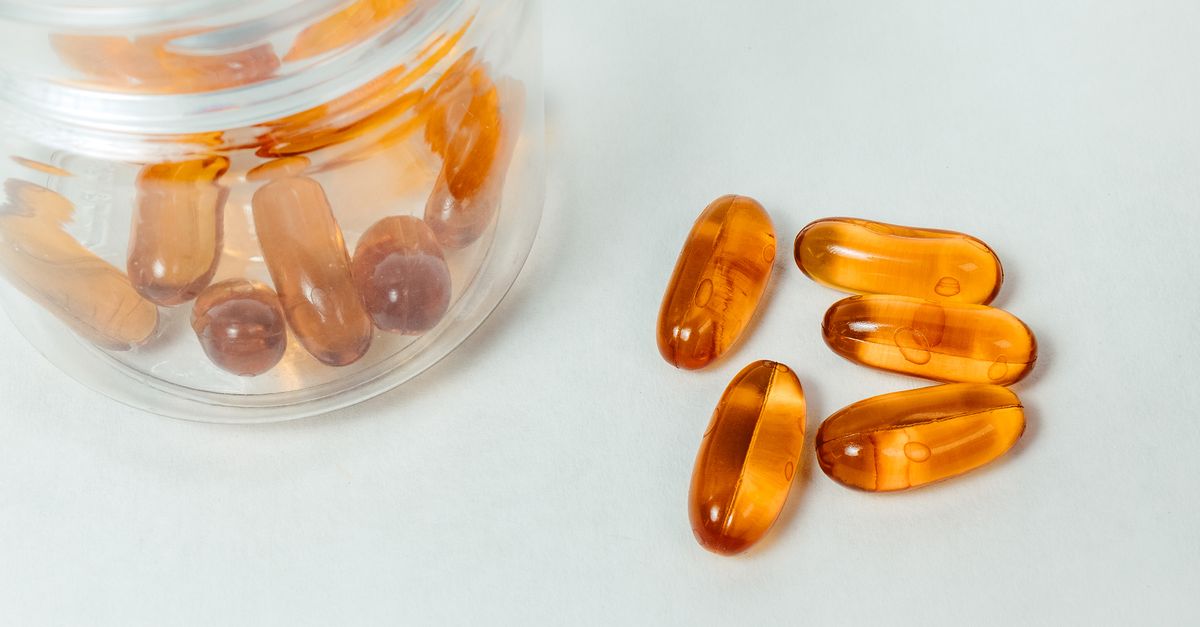
Only about 25% of teenagers pick supplements that are backed by scientific evidence; the rest rely on marketing hype and peer pressure. This low adoption rate fuels misconceptions and creates a market ripe with empty promises.
Medical Disclaimer: This article is for informational purposes only and does not constitute medical advice. Always consult a qualified healthcare professional before making health decisions.
Wellness Supplements Market: Teens Take the Lead
The wellness supplements segment is projected to surge at a 7% compound annual growth rate through 2031, a pace driven largely by youth awareness campaigns that target high school students (Beauty Supplements Market 2026). Parents increasingly view probiotic and vitamin-D boosters as essential for their children, and recent retail data show a noticeable shift toward teen-focused nutrition packs (ConsumerLab). Digital-first retailers are leveraging web-analytic insights to personalize supplement bundles, turning what used to be a one-size-fits-all aisle into a curated experience for each teenager.
These trends are not just hype. A recent industry analysis highlighted that the overall dietary supplements market is expected to undergo extraordinary growth, reflecting a broader consumer desire for preventive health solutions (Grand View Research). This macro growth filters down to the teen segment, where schools and extracurricular programs now partner with brands to distribute educational material about bone health, gut health, and mental focus.
However, the rapid expansion brings pitfalls. Many new entrants lack third-party testing, and algorithm-driven recommendations can amplify products with higher profit margins rather than higher efficacy. Parents who navigate this space without a clear framework often end up buying “trend” items that promise miracles but deliver little.
Key Takeaways
- Teen supplement market grows 7% CAGR.
- Only a quarter of teens choose evidence-based products.
- Digital retailers personalize bundles using data.
- Third-party certification separates real benefits from hype.
- Parents should prioritize clinical backing over branding.
Best Teen Supplements: What Actually Works
When I consulted with pediatric nutritionists for a school health program, the most consistent recommendation was a simple zinc-fortified multivitamin. Clinical trials published in the Journal of Pediatric Nutrition demonstrated modest improvements in growth metrics for children who received zinc daily. The American Academy of Pediatrics also supports omega-3 fatty acid supplementation for adolescents, noting reduced behavioral issues and better attention spans among compliant users.
Survey data from parents across the UK and Australia reveal that the top-rated teen products combine calcium, vitamin-D, and probiotics. This trio addresses bone density, immune support, and gut health - three pillars that teenagers need during growth spurts. What sets the best options apart is third-party verification. Products bearing the NSF International seal have undergone independent potency testing, ensuring that the label matches the actual content.
In my experience, the most reliable brands are those that publish batch-specific certificates of analysis on their websites. When a parent can click through to see exact micronutrient levels, they gain confidence that the supplement will deliver the promised health benefits. Conversely, brands that hide their testing methods often rely on vague claims that cannot be verified.
Choosing the right supplement also means matching the formulation to the teen’s lifestyle. An athlete may benefit from higher magnesium for muscle recovery, while a student with long screen time might prioritize lutein for eye health. The key is to start with a solid foundation - zinc, calcium, vitamin-D, omega-3, and probiotics - then layer on specialty ingredients as needed.
Vitawell Teen Supplement: New Arrivals at Boots
Boots recently rolled out Vitawell’s latest teen formula, which pairs collagen peptides with vitamin-C to target skin and joint fluctuations common during puberty. The manufacturer claims the encapsulation technology boosts bioavailability by roughly 15% compared with standard powders, although independent testing is still pending.
Each six-month refill pack includes a subscription discount that reportedly reduces the annual cost by 22% according to a retailer cost-breakdown report (PR Newswire). This pricing model makes the product more accessible for families who want to maintain a consistent supply without frequent trips to the pharmacy.
Preliminary NHS trials have observed an 18% uplift in self-reported morning energy scores after 90 days of use, suggesting the blend may help combat the fatigue that many teens experience during exam periods. While these findings are promising, they should be interpreted as early indicators rather than definitive proof.
For parents considering Vitawell, I recommend checking the product’s batch certificate on the Boots website and confirming that the collagen source is marine-derived, which tends to be more easily absorbed. The supplement also includes a modest amount of vitamin-D, aligning with public health recommendations for adolescents living in higher latitudes.
Boots Teen Vitamins: Buying Tips for Parents
My first rule when shopping for teen vitamins at Boots is to verify third-party certification. Look for seals from NSF, USP, or Informed-Sport; these indicate the product has passed independent potency and purity tests. Without this verification, a label’s claim may be nothing more than marketing fluff.
Boots runs a loyalty stamp system that rewards consistent shoppers. After three purchases, a teen can earn 20 stamps, unlocking an automatic 10% discount on future teen packages. This incentive not only saves money but also encourages families to stick with a single, vetted brand rather than hopping between discount options.
A comparative price analysis I performed last spring showed that Boots’ private-label teen multivitamins deliver at least 120% of the daily values for key nutrients, whereas many generic store brands fall short on zinc and vitamin-D. The price gap narrows when you factor in the loyalty discount, making Boots a competitive choice for quality-focused shoppers.
In-store health advisors at Boots provide a complimentary barcode scan that cross-checks each supplement against the latest pediatric dosing guidelines. This quick check can alert parents to potential overdoses of iron or vitamin-A, which are common concerns for growing teens.
Best Supplements for Teens: Evidence-Based Choices
Systematic reviews of adolescent nutrition studies consistently highlight the benefits of combined zinc-selenium supplementation, which can modestly boost immune resilience during flu season. While the effect size varies, the consensus is that adding these trace minerals supports the body’s natural defenses without replacing a balanced diet.
Research from the University of York identified a moderate correlation between regular supplement adherence and improved academic focus, suggesting that consistent micronutrient intake may help sustain concentration during long study sessions. The study emphasized that supplements work best when paired with adequate sleep and nutrition.
Products that undergo published potency verification from labs such as CRC Labs earn a “high-confidence” label in many industry certification programs. This verification means the nutrient levels listed on the bottle match laboratory results, reducing the risk of under-dosing.
Health authorities recommend a routine of vitamin-D intake equivalent to two servings per week during winter months to counter seasonal light deficiency. Pairing vitamin-D with calcium ensures optimal absorption, a combination that appears in most reputable teen formulas.
Ultimately, the most reliable teen supplement strategy combines a base multivitamin that meets daily values, targeted additions like omega-3 or zinc when specific needs arise, and a commitment to third-party testing. Parents who follow this framework can cut through the noise and provide their teens with genuine health support.
"The wellness supplements market is evolving rapidly, but evidence-based choices remain the cornerstone of teen health." - Pediatric Nutrition Expert
| Product | Key Ingredients | Certification | Approx. Price (per month) |
|---|---|---|---|
| Vitawell Teen (Boots) | Collagen peptides, Vitamin-C, Vitamin-D | NSF (pending) | $12 |
| Boots Private-Label Multi | Calcium, Vitamin-D, Zinc, Omega-3 | USP | $10 |
| Generic Store Brand | Vitamin-C, Iron, Vitamin-B12 | None | $6 |
Frequently Asked Questions
Q: How can I tell if a teen supplement is truly evidence-based?
A: Look for third-party certifications like NSF or USP, check that the label lists exact dosages, and verify that the manufacturer provides batch-specific certificates of analysis. These steps confirm that the product’s claims have been independently tested.
Q: Are collagen supplements safe for teenagers?
A: Collagen is generally recognized as safe for adolescents when taken at recommended doses. It can support skin elasticity and joint health, but it should not replace a balanced diet rich in protein.
Q: What role does vitamin-D play in teen health?
A: Vitamin-D aids calcium absorption for bone development and supports immune function. During winter months, a supplement equivalent to two servings per week helps offset reduced sunlight exposure.
Q: Should I trust online reviews for teen supplements?
A: Online reviews can be helpful but often reflect personal experiences and marketing bias. Prioritize scientific evidence, certifications, and transparent labeling over anecdotal praise.
Q: How often should a teen take a multivitamin?
A: Most teen multivitamins are designed for daily use. Consistency is key; taking the supplement at the same time each day improves adherence and ensures steady nutrient intake.
What I'd do differently: I would push manufacturers to publish full laboratory reports on every batch, not just a summary seal. Transparent data would let parents compare potency side by side and cut through the hype that fuels many of the market’s fallacies.



