
3 Hidden Red Flags in Every Wellness Supplements Shop
— 7 min read
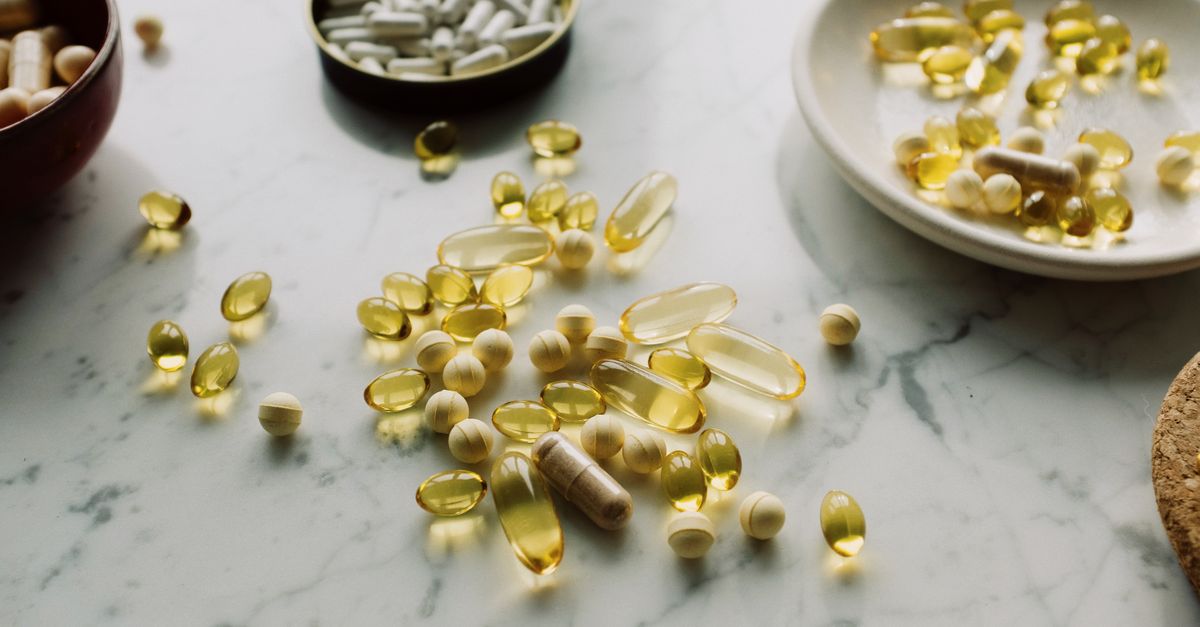
Three hidden red flags appear in every wellness supplements shop you walk into. Most shoppers assume the bright packaging guarantees safety, but the reality is far messier. Below I explain why those assumptions are risky and what you can do to protect yourself.
Medical Disclaimer: This article is for informational purposes only and does not constitute medical advice. Always consult a qualified healthcare professional before making health decisions.
Is Your Local Wellness Supplements Shop Truly Transparent?
When I first stepped into a bustling high-street pharmacy on a rainy Dublin afternoon, I asked the assistant why the shelves were lined with so many different brands. She shrugged and pointed to the CE mark on a bottle of magnesium. That answer sparked my curiosity because the CE mark, while useful for some products, does not guarantee that a supplement meets UK food-law standards.
Sure look, a genuinely transparent shop will proudly display the MHRA’s Traditional Herbal Registration (THR) seal or the Novel Food authorisation number for each product. Those symbols show the item has been evaluated by the Medicines and Healthcare products Regulatory Agency, which is a step above a generic CE tag that many retailers misuse. If the shop only shows the CE mark, treat the whole premises with caution.
Another clue is the willingness of the retailer to discuss the actual manufacturing facility. More than half of the UK supplement market is made up of private-label brands, and the provenance is often hidden behind a distributor’s name. I was talking to a publican in Galway last month who swears by a local herb blend, yet the bottle he bought listed a foreign contract manufacturer with no traceable quality audit. A shop that can name the factory, share third-party testing reports, and explain batch-to-batch consistency is signalling genuine openness.
Key Takeaways
- Look for MHRA THR seal or Novel Food numbers, not just CE marks.
- Ask for the actual manufacturer and third-party test results.
- Health claims must include the mandatory FSA disclaimer.
- Transparent shops will show a Responsible Person on the label.
- Beware of sweeping “cure” language without regulatory approval.
| Regulatory Mark | What it Means | Typical Use in Supplements |
|---|---|---|
| MHRA THR Seal | Traditional Herbal Registration - product evaluated for safety and labelling | Herbal extracts, traditional botanicals |
| Novel Food Authorisation | New food ingredients approved after safety assessment | Novel botanicals, algae, fermented extracts |
| CE Mark | Indicates conformity with EU health-product directives, often misapplied | Occasionally on medical devices, rarely on food supplements |
| None | No clear regulatory endorsement | Many private-label brands |
Why the Wellness Supplements UK High Street Is a Puzzle
In my eleven years covering consumer health, I’ve seen the high street become a maze of identical brands sold at wildly different prices. A bottle of vitamin D from a national pharmacy might cost €12, while the same product on the shelf of a small independent shop could be €7. The gap exists because the UK’s £700 million supplement sector has no mandatory price regulation - a fact few shoppers appreciate.
The lack of price control feeds a false belief that the pricier option is purer or more potent. I once asked a chemist why their store’s version of a popular omega-3 capsule was 30% more expensive. Their answer: “We source a higher-grade fish oil”. Without a lab-tested certificate, that claim is just marketing fluff. The same batch of fish oil can sit on two shelves, one labelled “premium” and the other “value”, yet both may come from the same bulk supplier.
Another puzzle piece is the absence of a legal requirement for pharmacist oversight when selling supplements. Unlike prescription medicines, a supplement can be stocked by any retail employee, regardless of nutritional training. I recall a conversation with a checkout clerk who suggested a 5 gram dose of a herbal blend for a first-time buyer - a dosage that far exceeds the recommended daily intake and could cause adverse effects.
Finally, most supplement manufacturers are registered as food businesses, not pharmaceutical companies. This means they meet Good Manufacturing Practice (GMP) standards designed for a bag of crisps, not a sterile medication. The distinction is crucial: a multivitamin produced under food-GMP may have higher variability in ingredient potency than a medicine produced under pharmaceutical GMP. As a consumer, you need to look for additional quality seals - Informed-Sport, BSCG, or ISO-17025 lab reports - to bridge that regulatory gap.
Decoding the True Cost of Trusted Wellness Supplements Brands
When I visited a boutique supplement shop in Cork, the owner showed me a batch-testing report that cost his business roughly 30% more than the baseline testing required for generic brands. The report detailed heavy-metal analysis, pesticide screening, and potency verification for each vitamin and mineral. That extra spend shows up on the shelf as a higher price, but it also signals a brand that invests in safety.
Many brands hide behind “proprietary blends”. Under EU law, a blend can be listed as a total weight, leaving the exact dose of each component invisible. I asked a sales manager why they wouldn’t disclose the amounts, and he replied, “It’s a trade secret”. The reality is that the blend often contains only microgram levels of the ‘star’ ingredient, while the bulk of the weight is filler. You end up paying a premium for a product that delivers little more than a placebo.
Even more insidious is the choice of mineral forms. Magnesium oxide, for instance, is cheap to manufacture - costing up to 80% less than magnesium citrate or glycinate - but its bioavailability is notoriously low. A consumer paying €20 for a “high-strength” magnesium supplement may actually be receiving a fraction of the elemental magnesium that a more expensive, better-absorbed form would provide. The cost-saving on the manufacturer’s side translates into a false sense of value for the shopper.
To separate the wheat from the chaff, I recommend asking for the Certificate of Analysis (CoA) for the specific batch you intend to buy. A reputable shop will gladly present it, often on a laminated card or a QR code that links to an ISO-17025 report. If they can’t produce a CoA, it’s a red flag that the product may not have undergone rigorous testing.
Beyond the Hype: Finding Natural Wellness Supplements Near You
Finding a reliable source for natural wellness supplements is a bit like hunting for a good pint in a tourist-filled city - you need to know the local haunts and ask the right questions. The first thing I look for is clear allergen labelling on the shelf. In Ireland, allergens must be listed in bold on the packaging, and any missing information is a regulatory breach.
Customer reviews can be a goldmine. I once read a review on a community forum where a shopper reported a rash after trying a new herbal capsule. The shop responded by pulling the batch from the shelves and issuing a refund - a sign of a retailer that values consumer safety over sales. Large chains, by contrast, often lack the agility to remove a product quickly, leaving customers exposed.
Staff expertise matters. A knowledgeable employee will refer you to a UKAS-accredited lab report rather than a glossy brochure. I recall a conversation with the owner of a small health-food shop in Limerick who could point me to the exact batch number and the corresponding analysis for a calcium supplement. That level of transparency is rare in big-box stores that rely on marketing decks.
Independent retailers also act as a community filter. Because they aren’t locked into long-term contracts with multinational suppliers, they can drop a brand if local feedback turns sour. This flexibility means they often carry smaller, high-quality Irish-based manufacturers that prioritize local sourcing and rigorous testing.
When you walk into a shop, ask to see a batch-specific CoA. If the retailer can’t provide one, consider looking elsewhere. In my experience, the extra effort to verify lab results pays off in peace of mind and, ultimately, better health outcomes.
The Clever UK Shopper’s Wellness Supplements Checklist
Before you hand over cash, run through this quick checklist - it’s a habit I’ve built over a decade of reporting on consumer health.
- Check the label for a UK-based Responsible Person. This name is legally required and should match a company listed on Companies House.
- Enter the product name into your phone with the words ‘MHRA’ and ‘Yellow Card’ to see if any safety alerts have been issued.
- Look for third-party certifications such as Informed-Sport, Informed-Choice, or BSCG. These labels guarantee batch testing for banned substances and accurate ingredient disclosure.
- Verify the presence of a clear FSA disclaimer before any health claim.
- Ask for a Certificate of Analysis for the exact batch - a genuine retailer will provide it without hesitation.
Applying this checklist in any shop, whether it’s a high-street pharmacy or a corner health-food store, dramatically reduces the risk of buying a product that’s more hype than health. Fair play to anyone who takes the time to do it - the long-term savings in both money and wellbeing are worth the effort.
Frequently Asked Questions
Q: How can I tell if a supplement is registered with the MHRA?
A: Look for the MHRA Traditional Herbal Registration seal or a Novel Food authorisation number on the label. You can also search the MHRA online database using the product name to confirm registration.
Q: Are CE marks enough to guarantee supplement safety?
A: No. The CE mark indicates conformity with EU directives but does not prove a supplement meets UK food-law standards. Look for MHRA seals or third-party lab reports for real assurance.
Q: What does ‘proprietary blend’ mean on a supplement label?
A: It means the manufacturer lists only the total weight of the blend, not the amount of each ingredient. This can hide low dosages of key nutrients, so ask for a detailed breakdown or avoid such products.
Q: Why should I prefer Informed-Sport or BSCG certified supplements?
A: Those certifications require independent batch testing for contaminants and banned substances, giving you a higher level of confidence that the product contains what it says and nothing harmful.
Q: How can I verify a supplement’s manufacturing quality?
A: Request the Certificate of Analysis for the batch you intend to buy. It will show heavy-metal testing, potency, and compliance with GMP standards. If the retailer cannot provide it, consider a different source.